AI as a creation tool "sucks balls", says Falconeer and Bulwark dev Tomas Sala, but it's the future we should be really worried about
"It's opening up so much darkness."


Tomas Sala is a solo developer known for aerial combat game The Falconeer and sea-town building game Bulwark - projects that are large and ambitious undertakings for one person. Using AI to offload some of that creative load could be an attractive proposition for someone like him. But of all the people I've spoken to about AI, Sala has some of the strongest remarks to make against it.
That's not to say he's never used it. He has, as a tool for learning things - in his case asking questions about programming. He especially likes being able to talk to it in his native language Dutch. "It can be very beneficial," Sala tells me in a video call. "But as a creation tool," he adds, "it sucks balls."
Creating pictures with AI is like playing a slot machine, he says, by which I presume he means you're never sure what's going to come out. Mostly, Sala says, "AI looks like shit now or reads like shit." He knows it'll get better - that much seems inevitable - and that's the point in time that particularly worries him. "I'm not so much worried for me," he says. "I've already found my direction. I am mostly afraid - I have kids - for how we as a society deal with creativity; how we value creative people and creative creators, in the broad sense of the word. Makers."
Consider a Reddit post he came across last week written by a gaming enthusiast who's a fan of AI. This person wrote, according to Sala: "I can't wait till these filthy game development companies that take all our money and treat us like shit get replaced by AI, where we can just ask and have the game I want tailor-made for me as I play it." Or words to that effect. "That's the fantasy," Sala says - it's the belief AI can create anything we want.
"As a creator it is frightful that people would have such limited fantasies," Sala says in response. "It's a future where 'I just want to feel great - bump it into my brain'," he says. He likens it to recreational drug use which, he quips, "is probably cheaper than a ChatGTP subscription is going to be in a couple of years".
And the cost-warning is a good point: we are in the attachment phase now where big tech companies are trying to attach us to their AI services. Onboarding prices are attractive in the attempt to lure us in. But once we're there and we begin to rely on the AI services, prices will inevitably rise, and we'll probably pay because we won't want to do without it. Tangentially, see Microsoft's recent Xbox Game Pass price-hike - it's a broadly similar thing.

"Hey kid," says Sala, voicing another issue he has with the Redditor's post, "do you really think the people that are fucking up gaming are not going to find a way to make money off your back and your AI, or whatever you're going to enjoy? Whatever is going to bring enjoyment, there will be people trying to make a buck and reducing it to the lowest common denominator." The App Store is a good example, he says. "That is ultimate monetisation without boundaries. Whatever this stuff is bringing," he goes on, "it's opening up so much darkness at the same time."
Sala tells me another story about worrying AI use, this time about a friend with a tech startup, who was approached by someone with one clear and unscrupulous idea: "I want to make the algorithm that makes the ultimate addictive online gambling experience," Sala's friend was told, as per Sala's recollection. "I want to do that with AI: learn from all the gamblers and then make it even more... Supercharge it."
"And that's the world we live in," Sala says. "That's what we're using AI for. We're not curing cancer. We're figuring out how to reduce people to emasculated puppets that get in line to get their shot. It's soma - it's fucking soma!" he says, referencing the prevalent drug in Aldous Huxley's Brave New World [and not the horror game from 2015 as this article originaly, eroneously, suggested]. "That's what it is. It's sedation. That is my base fear."
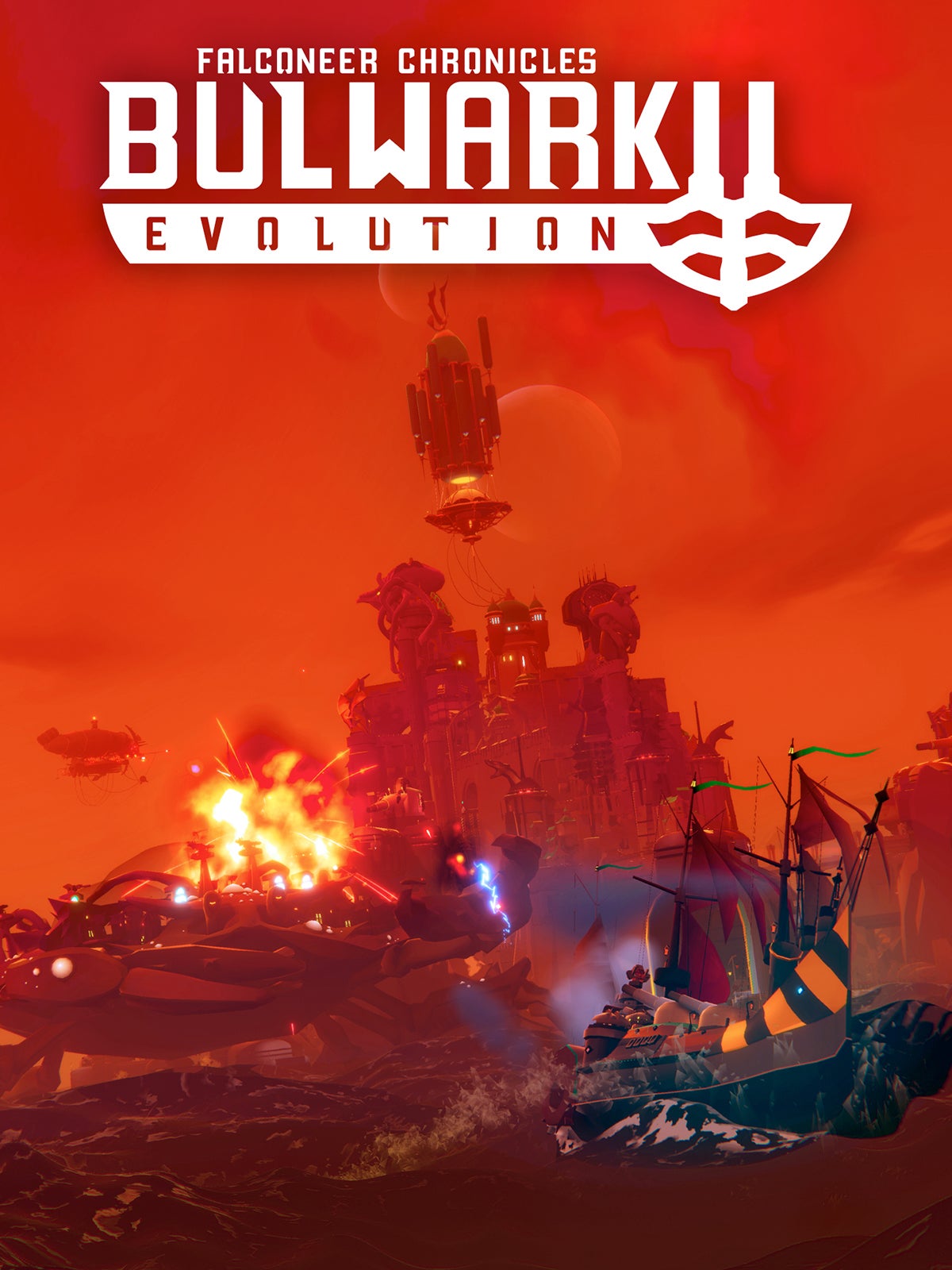
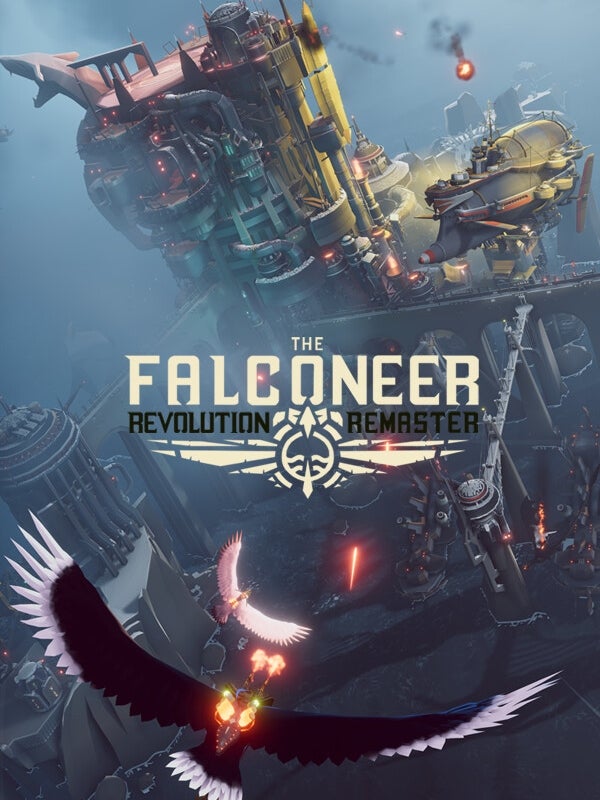
I was speaking to Sala in light of him remastering his debut, breakout hit The Falconeer, which I really liked when it launched alongside Xbox Series S/X, and it sounds as though it's now significantly improved (and it's heavily discounted by way of a remaster promotion; note, original owners should get the update for free). And it's this approach with The Falconeer of considerable post-release development that has come to characterise Sala's approach to game-making in 2025. Doubling-down on nurturing and growing communities around his work is his way of surviving in an increasingly viral-hit-driven market. He seems happier, his audience is happier because it's playing better, constantly evolving games, and Sala has a more reliable safety net around him, from their support, because of it.
Incidentally, he's also soon to begin work on a third game in the Ursee trilogy called Ancient Waves - a shipping-focused take on that same stormy archipelago world.
Xbox One, Xbox Series X/S, PC