"$400 with a controller. This would really send a message" One analyst on how Valve's Steam Machine could make the biggest impact on the games industry
"The elephant in the room is that Valve just beat Xbox to the punch."


The Steam Machine has been announced, and already chatter is loud regarding the potential impact Valve's new hardware could have on the console space. But the scope of its success, and what role it'll play in the future of the video game hardware market remains a mystery. That's what's so exciting about the whole affair.
Still, there are signs as to what could happen, given the right price point, the right market conditions. To find out more, Eurogamer spoke to Rhyss Elliott, head of market analysis at video game industry analysis company Alinea Analytics. From his point of view, the new Steam Machine may very well be a game changer.

The first question, and the most pressing in the mind of interested gaming enthusiasts,is how successful will this new Steam Machine be in this current market. The answer, for Elliott, depends on two major factors.
"That's really tough to predict, as both price and supply are a huge what-if," states Elliot. "There are also so many Steam players who still use older components and want to upgrade, but cannot afford the rising prices. The Steam Machine could be the answer - if the price is right.
"Valve also needs to set a price that trumps current-generation consoles while effectively marketing its use cases over traditional consoles. This is a no-brainer for getting meaningful traction among console-curious gamers - not just PC enthusiasts."
How much the Steam Machine will cost is an especially tantalising area of debate, given rising cost of hardware prices and the general cost of living crisis happening in many major gaming hubs around the world. For Elliott, the price point will be a real indicator of how the Steam Machine is perceived in this challenging market.
Elliot explains: "If the Steam Machine launches above $500, it risks being perceived as an expensive niche PC (like the rumoured next-generation Xbox) rather than an accessible living-room gaming option.
"The sweet spot would be $400 with a controller. This would really send a message, as console manufacturers have been raising their prices. A digital PS5 costs $499, while the Xbox Series X Digital is $599.
"There are two different Steam Machine SKUs - a 512MB edition and a 2TB one. A $400-$450 floor price is feasible. I could see Valve selling a couple million Steam Machines next year at a price point like that, if they stagger their supply well (they've learned a lot from the Steam Deck) and get the rollout right."
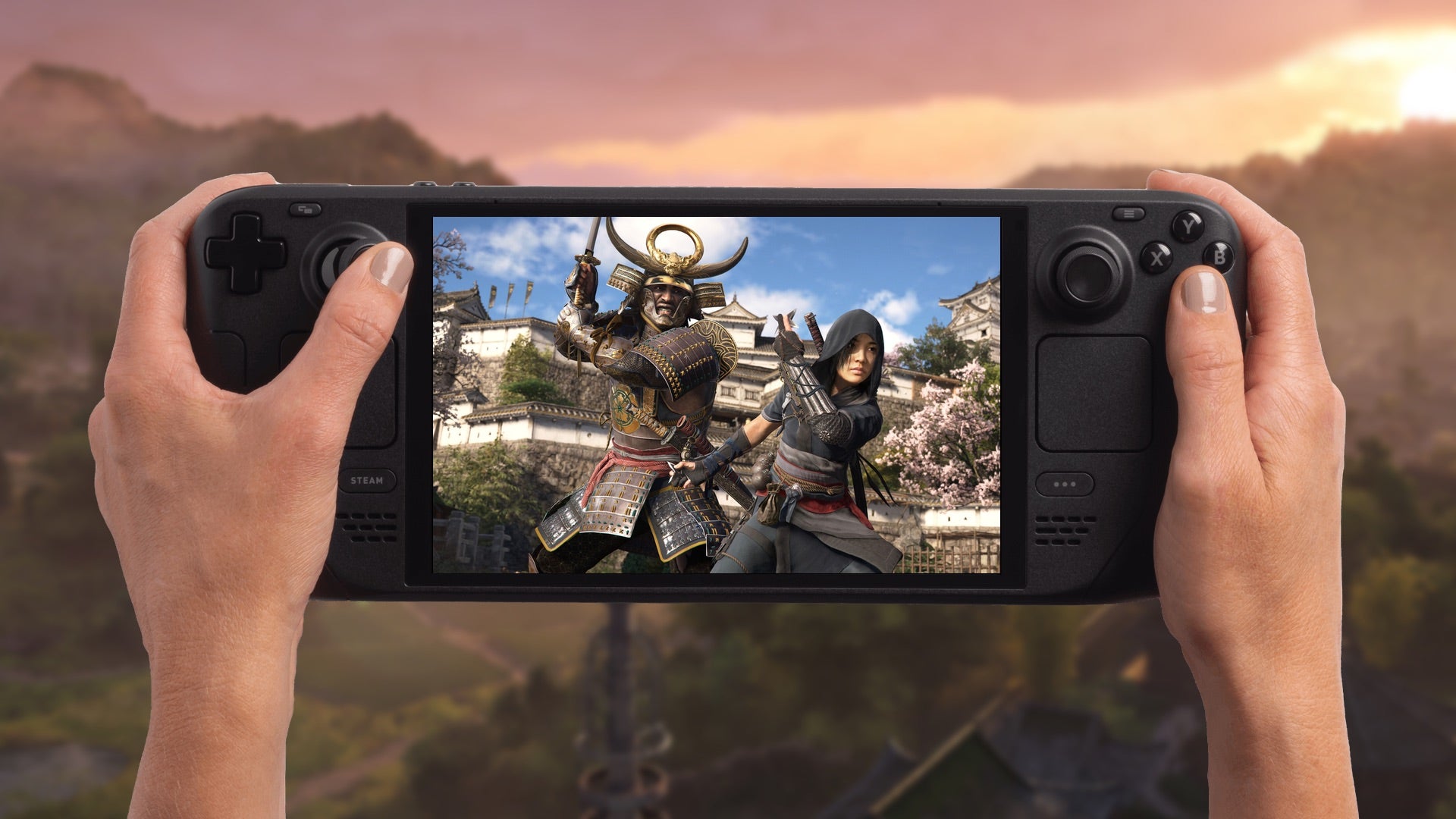
Another key factor as to the Steam Machine's success is a simple one, who is it for? With dedicated PC users likely already owning a relatively powerful system on which they can play the latest games, and those unfamiliar with PC gaming often put off by the price point of a modern setup. Is this greener group the target audience for the Steam Machine?
According to Elliott, there may be a largely unserved market for those looking to sit between console gaming and traditional PC gaming, which the Steam Machine may serve well.
"Valve says that around 20% of Steam Deck users - that's a few million - connect their device to a dock and play on TV. There's a clear appetite for a couch-friendly PC gaming experience", Elliot says.
He continues: "The use case is there, but the Steam Deck is a few years old now and is showing its age. Valve says its upcoming machine is six times more powerful. It's an attractive second device for PC gamers who want a living-room gaming setup without building a full rig or investing in another ecosystem.
"While a major part of the target audience is current Steam players, particularly for the first 2026 iteration, the Steam Machine also fits Valve's mission to make PC gaming more accessible and flexible, with no tinkering, fewer cables, and no drivers versus typical gaming PCs.
"Valve is making a console play here - or at least a living-room one. So obviously, the Steam Machine is not solely for hardcore PC players but also console-curious players who want the freedom and affordability of PC gaming without the complexity.
"For younger consumers, the Steam Machine could serve as an on-ramp to PC gaming, bridging the gap between consoles and the open PC ecosystem."
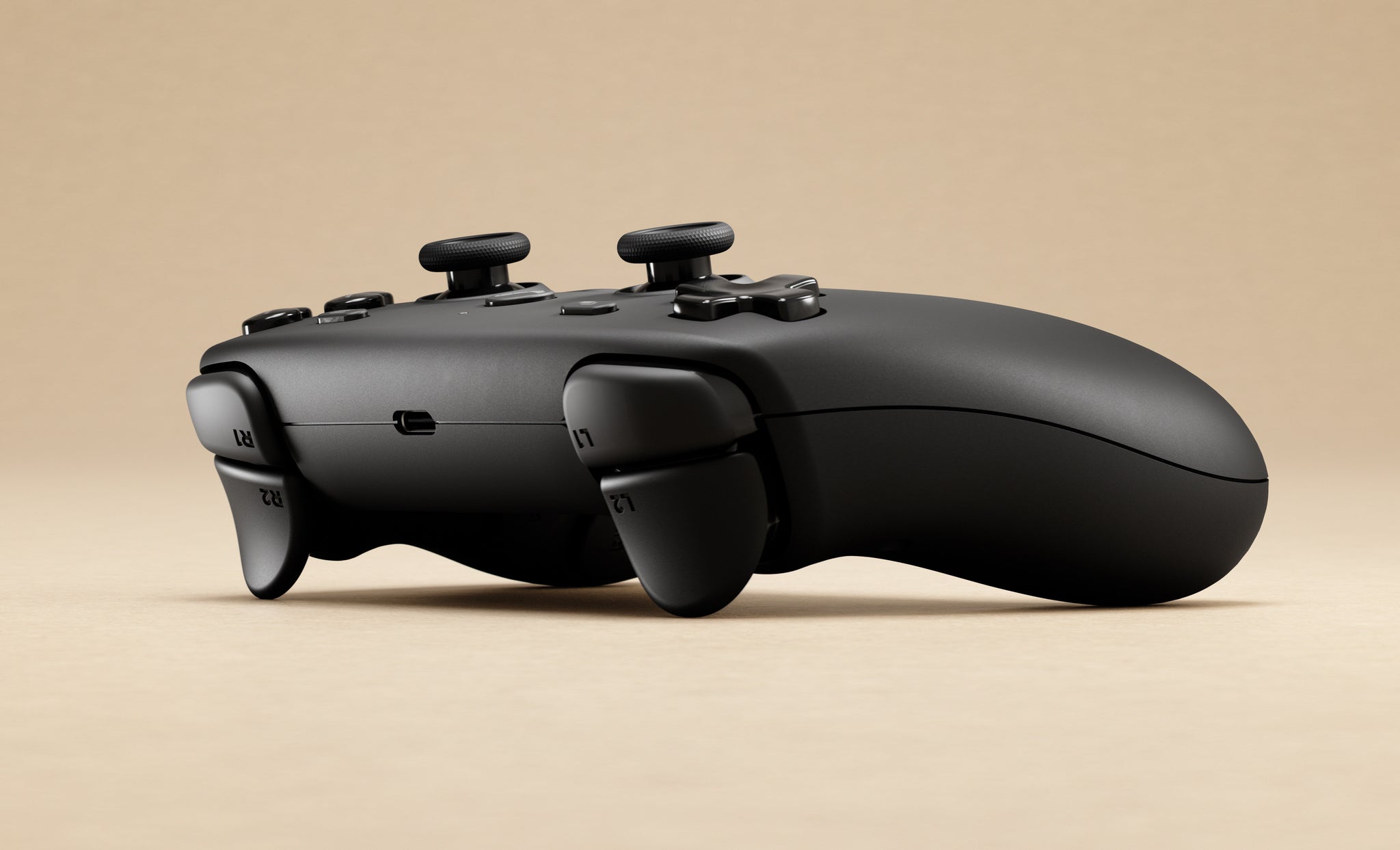
Finally, can the Steam Machine actually cause a dent in the console market? Well, according to Elliot, Valve has absolutely acted quicker to reveal this kind of hardware than a major player in the space: "The elephant in the room is that Valve just beat Xbox to the punch."
Elliot elaborates: "Microsoft's gaming hardware strategy has already been drifting toward PC. Xbox has been directly funnelling its core console fans there with devices like the ROG Xbox Ally X and the next Xbox hardware.
"Sadly for Xbox, Valve just built the bridge faster and might have offered an enticing console-like PC on-ramp for the disgruntled Xbox fans. And there are a lot of those (source: my DMs when I report anything marginally positive about Sony).
"The difference is that Valve owns the dominant PC storefront, while the Microsoft store has floundered. Steam OS and Big Picture mode are also pretty seamless, while Windows still has a long way to go when it comes to playing nicely with a controller. If successful, the Steam Machine could eat into Xbox's core proposition: console-like simplicity backed by PC-like openness."
The trick is the openness of the Steam Machine, which like the Steam Deck can be opened up to a variety of different operating systems and gaming options for the savvy user. As Elliot explains, the Steam Machine may just be offering more than anything Microsoft can bring to the table.

"Players can install Windows or any other operating system they like on the Steam Machine, effectively turning it into a fully customisable gaming PC," Elliott says. "That means access not just to Steam, but to the Epic Games Store, GOG, the Xbox app, or even Game Pass - all within a small, living-room-friendly device.
"This flexibility puts Valve ahead of Xbox in its own race toward a "PC-like" console future. However, Microsoft is among Steam's top publishers by revenue, so they'll benefit too.
"In the end, the new Steam Machine won't outsell PlayStation or Nintendo hardware, but it doesn't have to. Its real purpose is to strengthen the Steam ecosystem by offering players yet another way to engage. If it manages to convince some younger and console players to migrate to PC (or extend their gaming to PC), then it's all the better for Valve.
"Each new Valve device is a signal boost for the Steam platform, increasing touchpoints and user retention across contexts. For Valve, this is more about attention than hardware dominance."